Thai culture is warm, friendly and centuries-old. It embodies a mixture of ancient beliefs, royal lineage and Buddhist principles that permeate daily life. Thailand has a gentle and peaceful way of living, which is characterized by respect for both the community and family. Harmony, kindness and togetherness are celebrated in this culture. Everything (from colourful markets to peaceful temples) adds value to daily life. Thai people are polite with gestures, gentle speech and high hospitality. For people coming for a Thailand Tour, this provides a relaxed atmosphere in which they are able to easily discover local customs, foods, festivals and spirituality of Thailand.
Brief Look at Thailand’s Cultural Identity
Thailand’s cultural identity was rooted in its long history, its independence and its deep connection to Buddhism. The country has never been colonised and therefore Thai traditions developed in a smooth way over centuries. Such independence assisted in preserving the Thai language, royal practices, traditional arts as well as community values. A lot of Thai identity is based on the idea of harmony, balance and respect, calmness and kindness. Families are huge. Elders are particularly honoured. Markets, festivals and local food outlets reflect the vivacious underbelly of Thai life, where temples display its peaceful and spiritual core.
Even today’s big cities like Bangkok maintain their own ancient forms of ritual, street food culture, decoration and ornamental architecture. Throughout the country, one can see that ancient traditions intermingle with modern life. Thailand also draws on its unique regions from every corner of the country; they have distinctive food, dialects and traditions.
What Makes Thai Culture Special
The reason why Thai culture is so impressive is that it has everything together from history, religion, art and everyday living in a natural and beautiful way. Each and any activity from eating meals to celebrating festivals comes with traditions embedded. Buddhism influences how individuals behave with patience, politeness and generosity. Thai art and music are royal influences, and a lot of designs are inspired by ancient stories and beliefs. In Thai culture people strive for peace, and therefore they avoid confrontation; they smile so much and talk gently.
That lays the groundwork for a warm, welcoming atmosphere that soon becomes apparent to visitors. The culture also emphasizes creativity in dance, crafts and food, so everyday life is lively and expressive. Street markets, night bazaars and temple fairs reflect the social and vibrant nature of Thai communities.
Religion, Temples & Everyday Spirituality
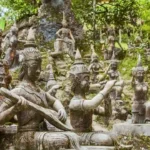
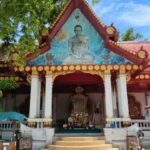
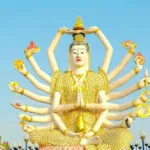
Buddhism is central to Thai life. Many Thai houses boast shrines that aren’t more than foot-tall but, when the day does arrive, people tend to offer incense, flowers or food to worship the Buddha. Temples known as wats are significant community centres, where local people meditate, pray and celebrate festivals. Monks are revered and many young men devote time themselves as novices to obtain the discipline, knowledge, and spiritual qualities of their younger brethren. Many people make the practice of merit-making when they donate money for monks in exchange for favour – through giving money to the monks, giving fish or birds away or food. Visitors are encouraged to go to temples, but may do so in a diplomatic manner.
Festivals, Traditions & Community Life
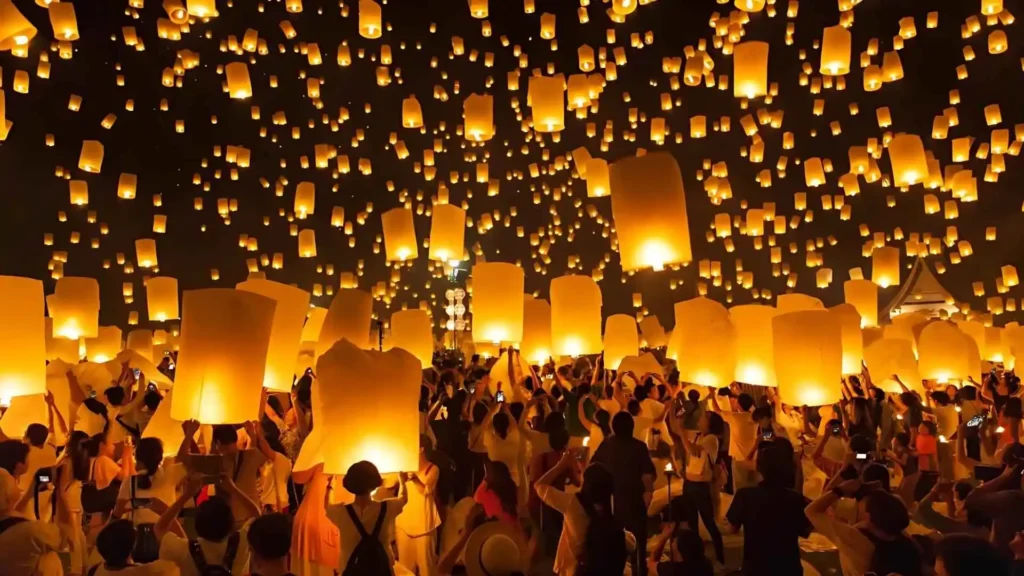
Thailand’s festivals are colourful, joyful and full of community spirit. Songkran, the Thai New Year, is celebrated in April with water splashing, house cleaning and temple visits. It symbolises washing away negativity and starting fresh. Loy Krathong is another popular festival where people float small decorated baskets on water to release worries and give thanks. Across the country, village fairs, temple celebrations and street events bring families and neighbours together.
These gatherings often include food stalls, dance shows, music and games. Family bonds are strong, and many festivals are moments when relatives return home to be together. Community life also includes helping neighbours during events, supporting temple work and joining local ceremonies. Travellers can experience these traditions by visiting markets, joining a water fight during Songkran or watching lanterns float during Loy Krathong.
Thai Arts, Crafts & Traditional Performances
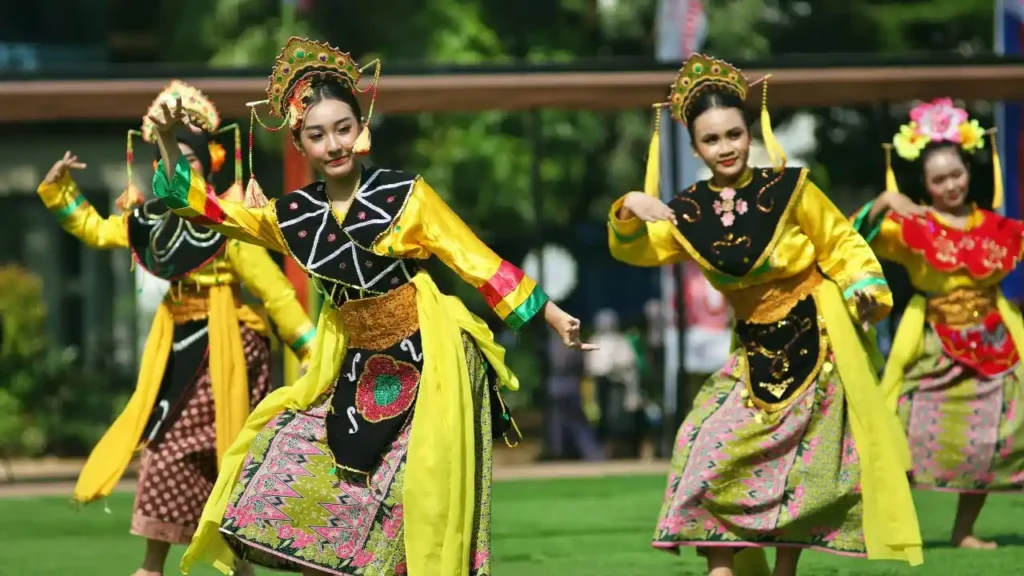
Thai arts have elegant details filled with cultural meaning. In traditional classical dance and drama, such as Khon and Lakhon, beautiful costumes, graceful dance moves and traditional music are used to convey stories from the past. Thai classical music employs distinctive instruments that produce soft, rhythmic sounds. Thailand’s culture also boasts traditional crafts. Thai silk is known all over the world for its rich colours and quality. Pottery, silverware, wood carvings and handmade decorations are among the crafts, hand-crafted by local artisans who use skills passed down from generation to generation.
Many villages have their own specializations of trades that you won’t find in any other village. Travellers can watch performances in theatres, temples and cultural centres in Bangkok, Chiang Mai and other cities. Night markets, artisan villages and weekend bazaars serve as excellent spots to purchase handmade crafts and support local artists. These arts and performances not only preserve Thai heritage but also help tourists develop a strong attachment to the country’s creativity and traditions.
Thai Food Culture & Daily Eating Habits
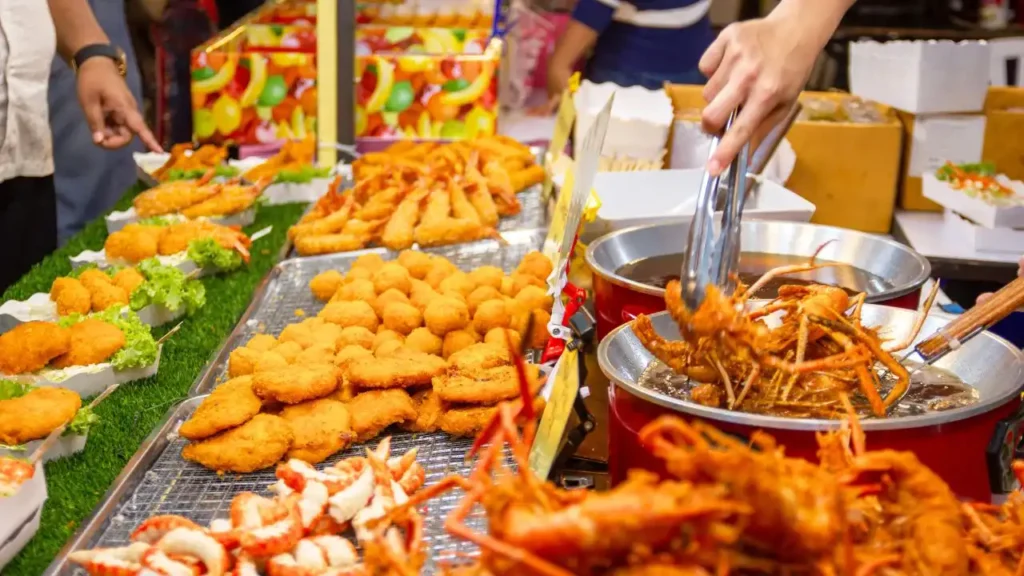
Sweet, salty, spicy, sour and bitter are at the core of Thai cuisine. Every region has its own flavour, northern dishes are mild, herbal, northeastern food is spicy and bold, central Thai food is balanced and southern cuisine is full of coconut and spices. Thai street food is a huge part of Thai life. Locals eat street food in the forms of noodles, curries, grilled meats, fresh fruit and desserts from stalls selling these goods. It’s very important to eat together, and meals often have several shared dishes.
Table manners are straightforward. Use a spoon as the main utensil, then use the fork to push food onto it. Chopsticks are mainly used for noodles. Do not put your feet on seats or point them at people while eating. For example, it is polite to take small portions first and not waste food. Travellers should explore local favourites such as pad thai, green curry, mango sticky rice and papaya salad. And eating Thai food is one of the easiest ways to embrace the culture.
Language, Etiquette & Social Behaviour
The Thai language is a soft and melodic one. Learning some basic words to know the locals helps the traveller to bond with them. Sawadee means hello, and the addition of krub (for men) or ka (for women) makes it polite. The wai greeting, where you place your palms together and bow slightly, expresses respect. It’s used when greeting elders, thanking someone or entering a temple. Thai respect for elders. People talk gently, don’t argue in public and are patient during tough situations. Travellers shouldn’t touch someone’s head, because it’s sacred.
There are polite responses, such as avoiding pointing directly at people or using loud voices. Anger or displays of affection in public will not be tolerated. Avoid pointing your feet at others or religious objects when you sit. Simple words like smiling, saying thank you, or receiving an item with both hands can go a long way. When we behave in such a way, and act in that style, we create a more polite and respectful environment.
Clothing, Architecture & Design Style
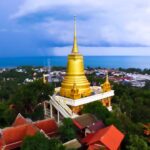
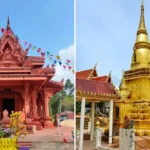
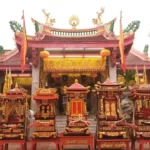
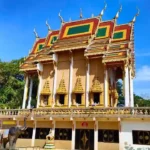
Thai costumes are typically elegant silk wear which is most commonly used in ceremonies, festivals and cultural performances. A more formal garment may be a Thai silk skirt called a sinh for women and a shirt or wrap of cloth for men. All day-to-day wear is casual and modern, but in places like religious centres modest dress is still expected. Thai architecture is among the most aesthetically pleasing features of the country. Temples are adorned with golden roofs and elaborate carvings and colours.
Older towns have wooden houses, narrow passageways and shopfronts that emulate Thailand’s past. Modern cities like Bangkok integrate skyscrapers, malls and contemporary design with older buildings in a way that creates a unique contrast. Traditional design is about living in harmony with nature. Wood, open spaces and decorative patterns inspired by myths and religion characterize many buildings. Travellers will see the Thai identity across bright colours, curved roofs and artistic details everywhere. The same is true for places such as temples, markets and houses.
Culture Tips Every Traveller Should Know
Travellers can enjoy Thailand more by reading a few simple cultural tips. When going to temples, dress modestly covering shoulders and knees. Take off your shoes before entering the main halls. Keep silent, walk slowly and do not touch statues. Be respectful to monks and religious objects always. Strive to keep calm in your everyday dealings when the situation is stressful. Politeness is king and argument is not for Thais. Smile all the time it fosters friendly interactions. Do not touch someone’s head, point with your feet or sit in a way that faces your feet toward people or sacred things.
If you are visiting someone’s home, take off your shoes. Small acts like saying ‘thank you’ during a conversation, using the wai greeting when appropriate and learning some basic Thai phrases all make people feel valued in your community. Respect personal space – and avoid loud behaviour in public spaces. These little deeds are cultural gestures that help travellers experience easier, happier travel and shopping experiences all over Thailand.